Miniature Schnauzer Care
Caring for a Miniature Schnauzer is about far more than meeting basic needs. This breed is intelligent, alert, and shaped by strong instincts that come from its origins as a small working farm dog. When those instincts are understood and guided well, Miniature Schnauzers become steady, affectionate, and deeply rewarding companions. When they are misunderstood or left unguided, life with them can quickly become noisy and frustrating.
At Merindah Farm, our approach to miniature schnauzer care is based on years of raising puppies, living with adult dogs, and supporting families long after their puppy goes home. Good care is not complicated, but it does require consistency, patience, and a willingness to understand how these dogs think.
Understanding Miniature Schnauzer Temperament
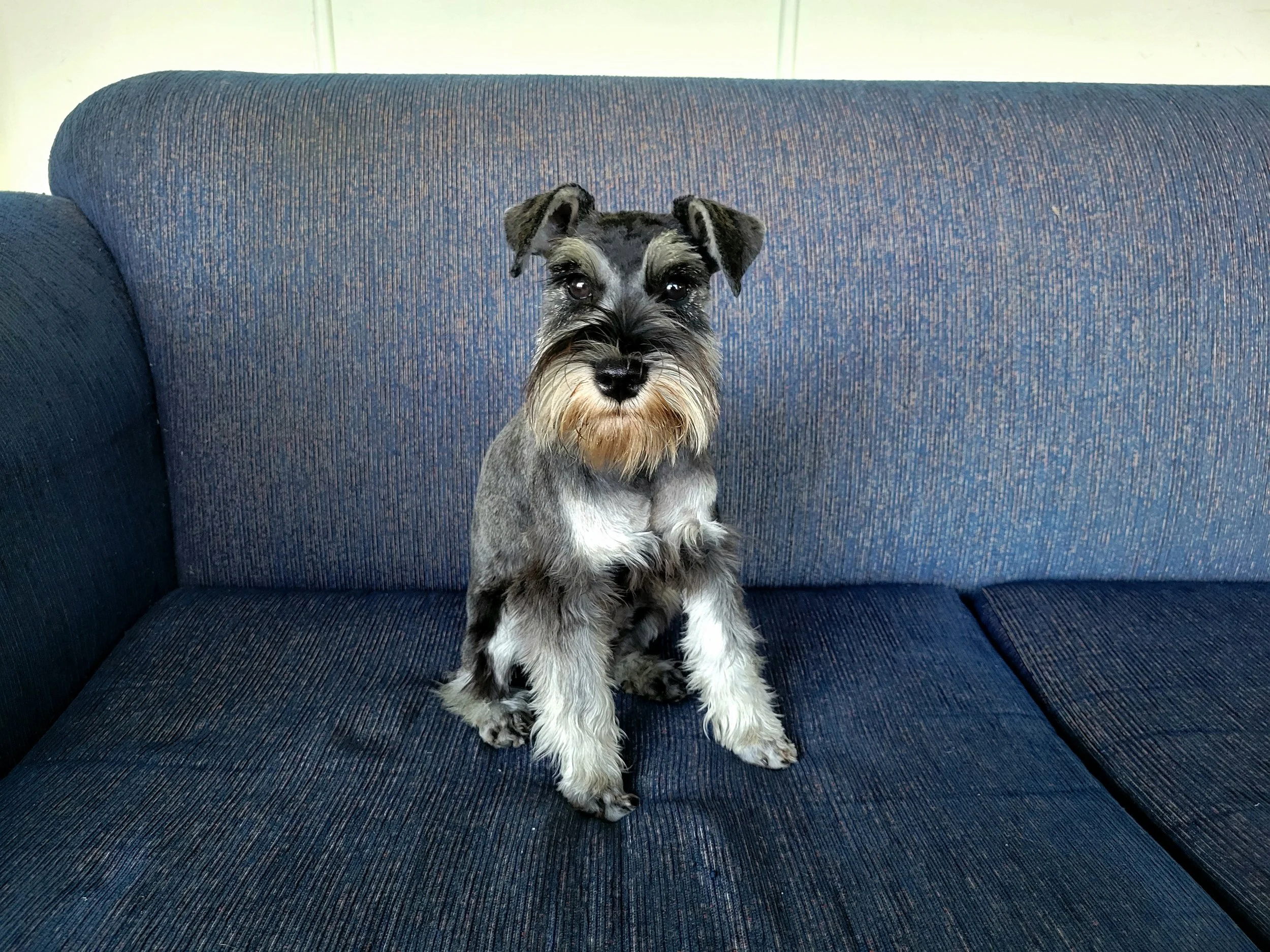
Miniature Schnauzers are highly observant dogs. They notice changes in their environment quickly and often feel compelled to respond to them. This is where their reputation for barking comes from. It is not a fault in the breed, but an instinct that needs guidance.
They are also deeply people-focused and enjoy being part of everyday life. They form strong attachments to their families and prefer to be close rather than left to their own devices. This closeness does not mean they instinctively know how to behave. Clear boundaries and calm leadership are essential, especially during puppyhood and adolescence.
With consistent guidance, Miniature Schnauzers learn how to settle, listen, and move calmly through the world. These behaviours are taught, not automatic.
The Importance Of Routine And Consistency
Routine plays a huge role in miniature schnauzer care. Regular patterns around feeding, exercise, training, and rest help dogs feel secure and reduce anxiety. Inconsistent handling often leads to confusion and unwanted behaviours such as barking, pulling on the lead, or ignoring cues.
Small daily habits matter more than occasional big efforts. Consistent expectations, applied calmly and fairly, help schnauzers understand what is required of them and how to succeed within the household.
Grooming And Coat Care
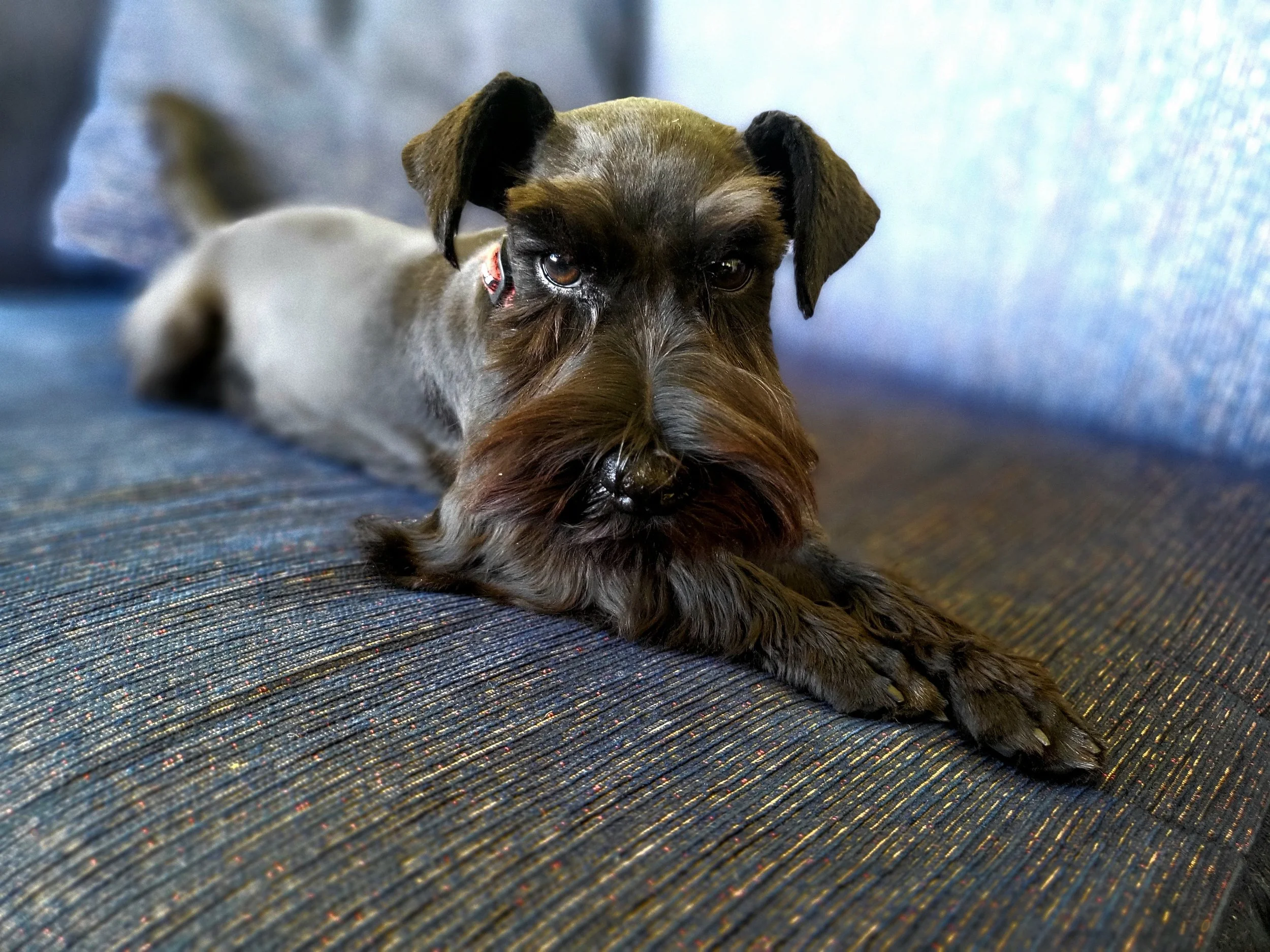
The Miniature Schnauzer’s wiry coat is one of its most recognisable features. While the breed sheds very little, the coat does require regular maintenance to stay healthy and comfortable.
Brushing several times a week helps prevent matting, particularly around the legs, armpits, and beard. Grooming also allows you to check the skin, ears, and nails regularly, which helps catch potential issues early.
Most pet Miniature Schnauzers benefit from professional grooming every six to eight weeks. Some owners choose hand stripping to maintain coat texture, while others opt for clipping, which is a practical and comfortable option for many family dogs. Whichever approach is chosen, consistency is key.
Regular care of the beard and eyebrows helps prevent irritation and keeps your dog comfortable. Nails should be kept short, and ears checked and cleaned gently as needed.
Health And Nutrition Basics
Miniature Schnauzers are generally robust dogs, but their health is closely tied to diet, weight management, and preventative care. Maintaining a healthy body condition is particularly important, as excess weight places strain on joints and increases the risk of illness.
Dental care should not be overlooked. Regular raw meaty bones to chewhelp prevent painful dental problems, which can manifest very early in their life if good dental hygene is not followed.. Skin health should also be monitored, as some schnauzers can be sensitive to environmental or dietary factors.
Nutrition plays a central role in long term wellbeing. A species-appropriate diet with carefully managed fat intake supports energy levels, coat health, and overall vitality. Portion size should be adjusted to suit age, activity level, and individual needs.
Exercise, Training, And Mental Stimulation
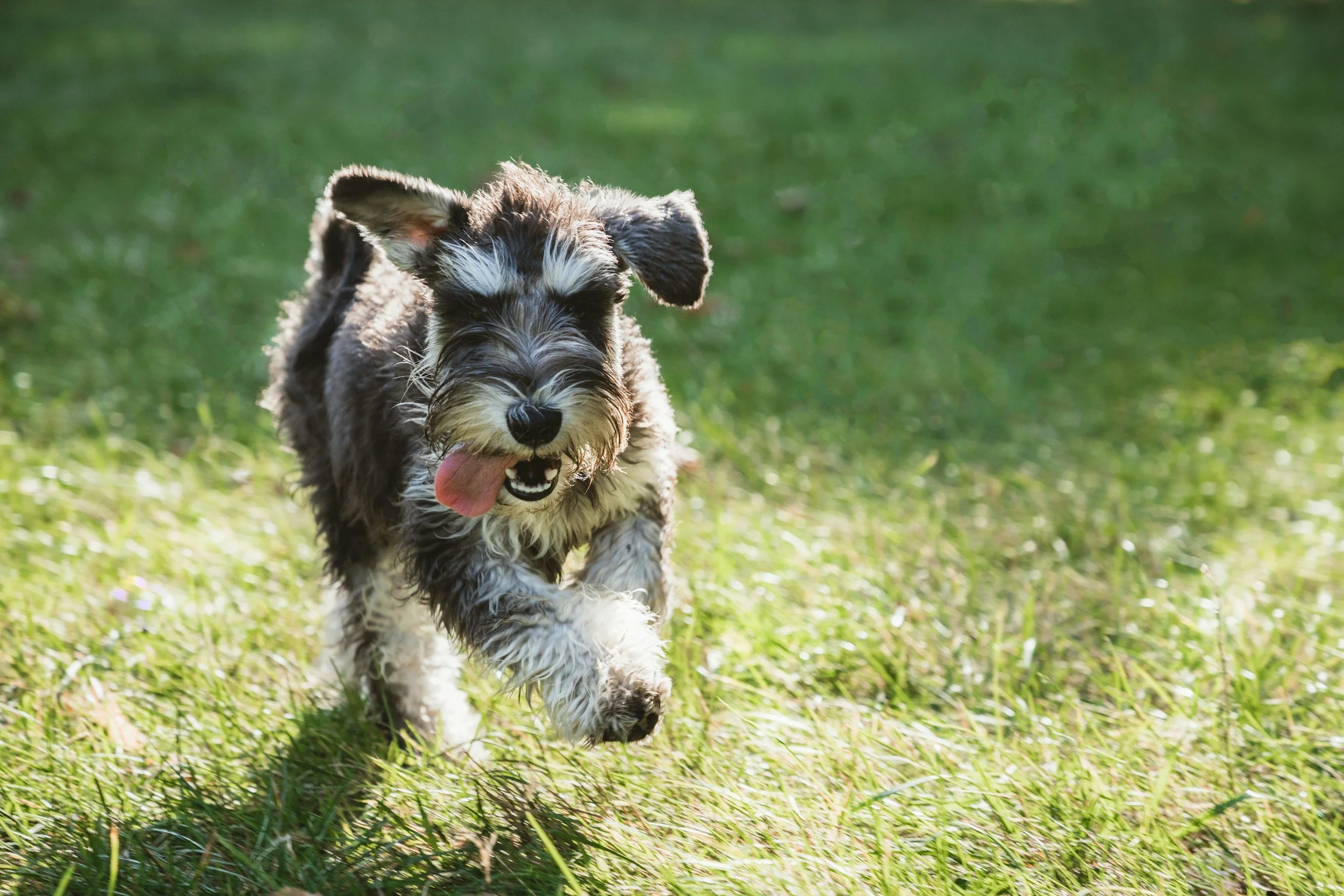
Miniature Schnauzers enjoy activity, but exercise alone is not enough. Daily walks, opportunities to explore, and gentle play help meet physical needs, while training and mental engagement satisfy their sharp minds.
Training should be part of everyday life rather than something done occasionally. Short, clear sessions build better habits than long drills. Mental stimulation through learning, problem solving, and structured interaction helps prevent boredom-driven behaviours.
Equally important is teaching a schnauzer how to relax. Calm behaviour is learned through guidance, repetition, and predictable routines.
Living Well With A Miniature Schnauzer
Caring for a Miniature Schnauzer means understanding the breed, committing to guidance, and providing a stable, structured environment. When these elements are in place, schnauzers grow into reliable, affectionate companions who fit beautifully into family life.
At Merindah Farm, we support families through every stage of their dog’s life, helping them navigate challenges and enjoy the many rewards that come with raising this remarkable breed.